Kyoto · Osaka · Kanazawa · Tokyo
Samurai Experience in Japan
Four cities sell it, the prices run from $23 to $211, and the difference between a real two-hour lesson and a costume photo is not obvious from the listing. Start with the city, then pick the format.
Four Cities, Four Different Afternoons
Where to Do a Samurai Experience in Japan
The word covers a two-hour kendo lesson in full armour and a $19 museum ticket. Start with the city.
Kyoto
Five different products, the country's best-reviewed kendo lesson, and the only forging workshop. If you do it once, do it here.
From $101 · 1,147 reviews on the top product →
BEST VALUEOsaka
A $38 show at one end and a $211 private session with a sword master at the other. The widest price spread of any city.
From $38 · 388 reviews on the top product →
THE SETTINGKanazawa
A swordsmanship lesson in a temple, and the Nagamachi samurai district outside the door. Small supply, unmatched context.
From $85 · 81 reviews on the top product →
THE MUSEUMTokyo
The big museum-and-show city rather than the lesson city. Asakusa and Shinjuku, and a restaurant show that has nothing to do with martial arts.
From $19 · 1,845 reviews on the top product →
The Honest Version
What You Are Actually Booking
Start With the City, Not the Product
The phrase “samurai experience” is attached to a $23 museum ticket and to a $211 private session with a sword master. Both are honestly described; they are simply not the same purchase. The fastest way to sort it out is by city, because each city’s supply has a different centre of gravity.
Kyoto is where the lessons are. The country’s best-reviewed kendo experience is here, so is the sword class, so is the only weapon-forging workshop, and the review depth is far beyond anywhere else. If your trip touches Kyoto and you want to do this once, do it in Kyoto .
Osaka has the widest price spread — a $38 show at one end and a $211 private session at the other, with a five-star kendo training class in between. Less depth than Kyoto, more choice per yen. Osaka options .
Kanazawa has the smallest supply and the best context: a swordsmanship lesson in a temple, with the Nagamachi samurai district outside. If you are already going — and most people are not — it is the atmospheric one .
Tokyo is the museum-and-show city rather than the lesson city. Its strength is the Samurai Ninja Museum in Asakusa and the samurai restaurant show, which is dinner theatre rather than martial arts. What Tokyo actually has .
The Three Formats
Whatever the city, you are buying one of three things:
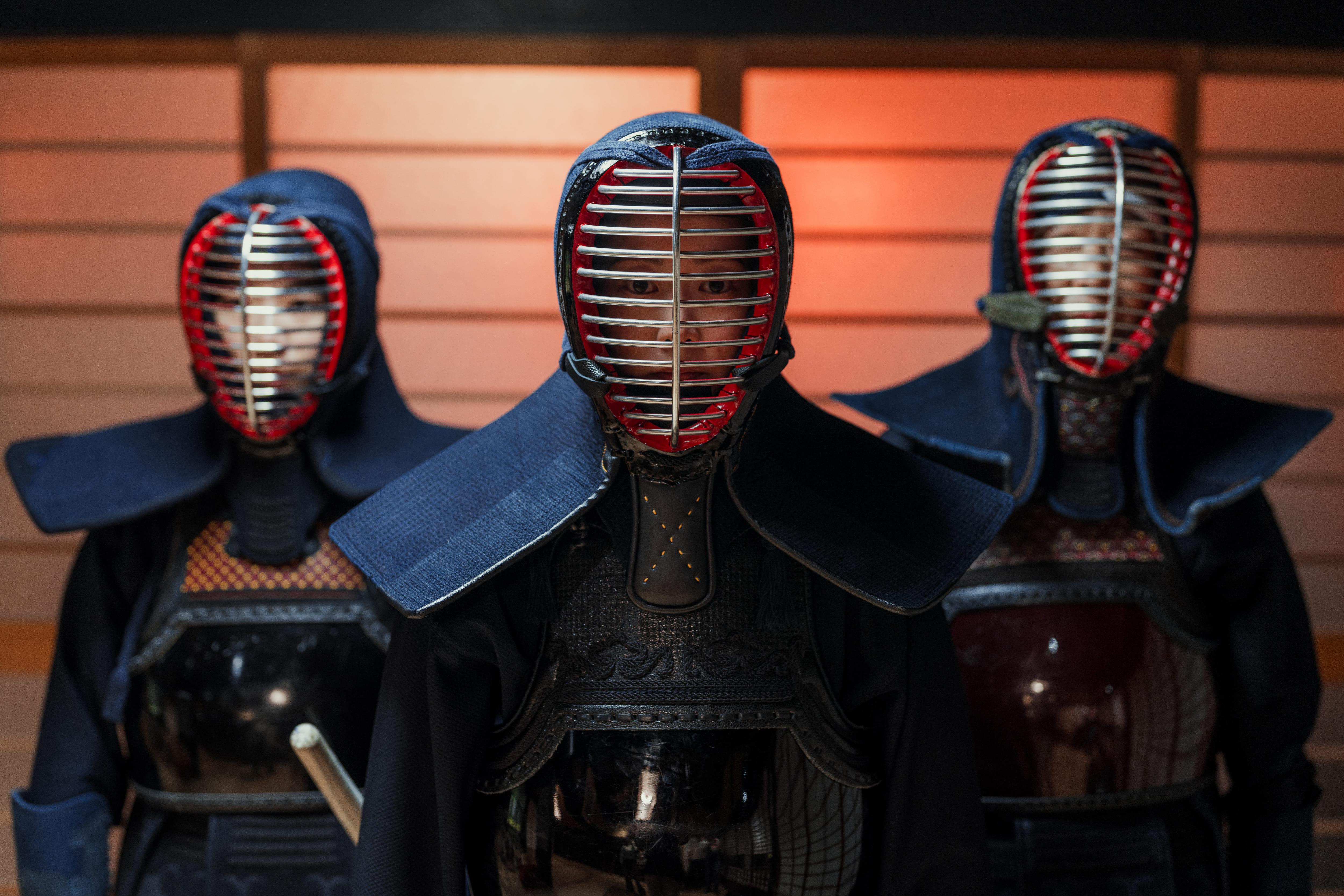
- A lesson. Two hours, an instructor, equipment on your body, and you do the thing. Kendo (armour, bamboo sword, sparring) or a sword class (katana, cutting technique). This is what people mean when they say it was the best thing they did. $63–$211.
- A workshop. You make something — a forged ninja weapon, a mask — and take it home. Longer, pricier, stricter age limits. Around $145.
- A show or a museum. Seated. Kembu sword dancing with narrated history and a short hands-on section, or a guided museum tour. $23–$31.
The reviews split cleanly along that line: lessons are described as memorable, shows and museums as pleasant. Both descriptions are accurate. Buy the one you meant to buy.
What It Costs
Across every city we track, $23 to $211. A rough guide:
- Under $40 — a museum tour or a show. Fine, and it is a museum or a show.
- $60–$105 — the sweet spot. A real two-hour lesson with equipment and an English-speaking instructor. Almost everything worth booking sits here.
- $125–$211 — private or master-led sessions, and the forging workshop. Worth it for a small group who want the instructor to themselves.
Full breakdown by city on the cost page .
Book It as a Group
Just under half the bookings in this category are for three or more people, and the kendo format is built for it — you spar against each other. A family in armour under instruction is a materially different afternoon from one person and a stranger. Operators price per person; book the party in one reservation so you are in the same session.
Samurai or Ninja?
Most operators sell both and the museums cover both, which blurs a real distinction: samurai were a warrior class with a code and a public role; the shinobi were intelligence agents and saboteurs hired to do what that code forbade. The costume version of the ninja is mostly later theatre. The difference, properly .
Prices, ratings and review counts on this site are read from the booking platform and move.
Samurai Experience Japan FAQ
Answered in the first sentence.
Kyoto, by a clear margin — it has the country's best-reviewed kendo lesson (1,147 reviews at 4.8), the sword class, the only forging workshop, and the deepest supply. Osaka is the value pick with the widest price range, Kanazawa has the best setting and the smallest supply, and Tokyo is the museum city rather than the lesson city. If your itinerary includes Kyoto, do it there. The city-by-city case is on which city.
One of three things: a two-hour lesson with an instructor and real equipment, a workshop where you make something, or a seated show or museum tour. The lessons — kendo in full armour, or a katana class — are what people mean when they call it the highlight of their trip. The shows and museums are cheaper, shorter and honestly described but quite different. The price is the reliable signal: under $40 is a show or a museum, $60 to $105 is a real lesson.
The lessons yes, the seated options are a matter of taste, and the reviews separate them cleanly. A two-hour kendo class with equipment and an English-speaking instructor at around $63 is fair value and is one of the few things in Japan you actively do rather than look at. The museum tours and shows rate slightly lower and are described as pleasant rather than memorable. Buy the format you meant to buy and the satisfaction rate is very high.
$23 to $211, with the real lessons clustered between $60 and $105. The cheap end is museum tickets and guided museum tours; the top end is private sessions with a sword master and the ninja weapon-forging workshop. Kyoto and Osaka cover the full range; Kanazawa's small supply sits in the middle. Everything is priced per person, though the experiences are built for groups. Breakdown on the cost page.
Samurai were a warrior class with a public role and a code of conduct; shinobi, the historical ninja, were intelligence agents and saboteurs hired for the work that code forbade. Most operators sell both and most museums cover both, which blurs the line. The black-clad acrobat of film is largely later theatre — the real shinobi were closer to spies than to superheroes, which is more interesting rather than less. Full explanation on samurai vs ninja.
No — the experiences sold to visitors run with English-speaking instructors, and that is stated on each listing. The kendo lesson opens with a short lecture in English before the armour goes on, and instructions during sparring are simple and demonstrated. Some smaller operators run with an interpreter rather than an English-speaking teacher, which works fine but slows the lecture portion. Check the listing's language line before booking if it matters to you.
Yes, and families are a large share of bookings, but check each operator's minimum age — it varies, and the forging workshops are stricter because of heat and tools. The kendo format works particularly well for families because participants spar against each other. The armour is heavy and hot, so older children handle a full two hours better than young ones. For younger families, a craft workshop or a Kembu show is the easier booking.
Still have questions? Email us at info@samuraiexperiencejapan.com
Browse Every Samurai Experience
All 14 experiences we track across Kyoto, Osaka and Kanazawa, with real prices and review counts.